

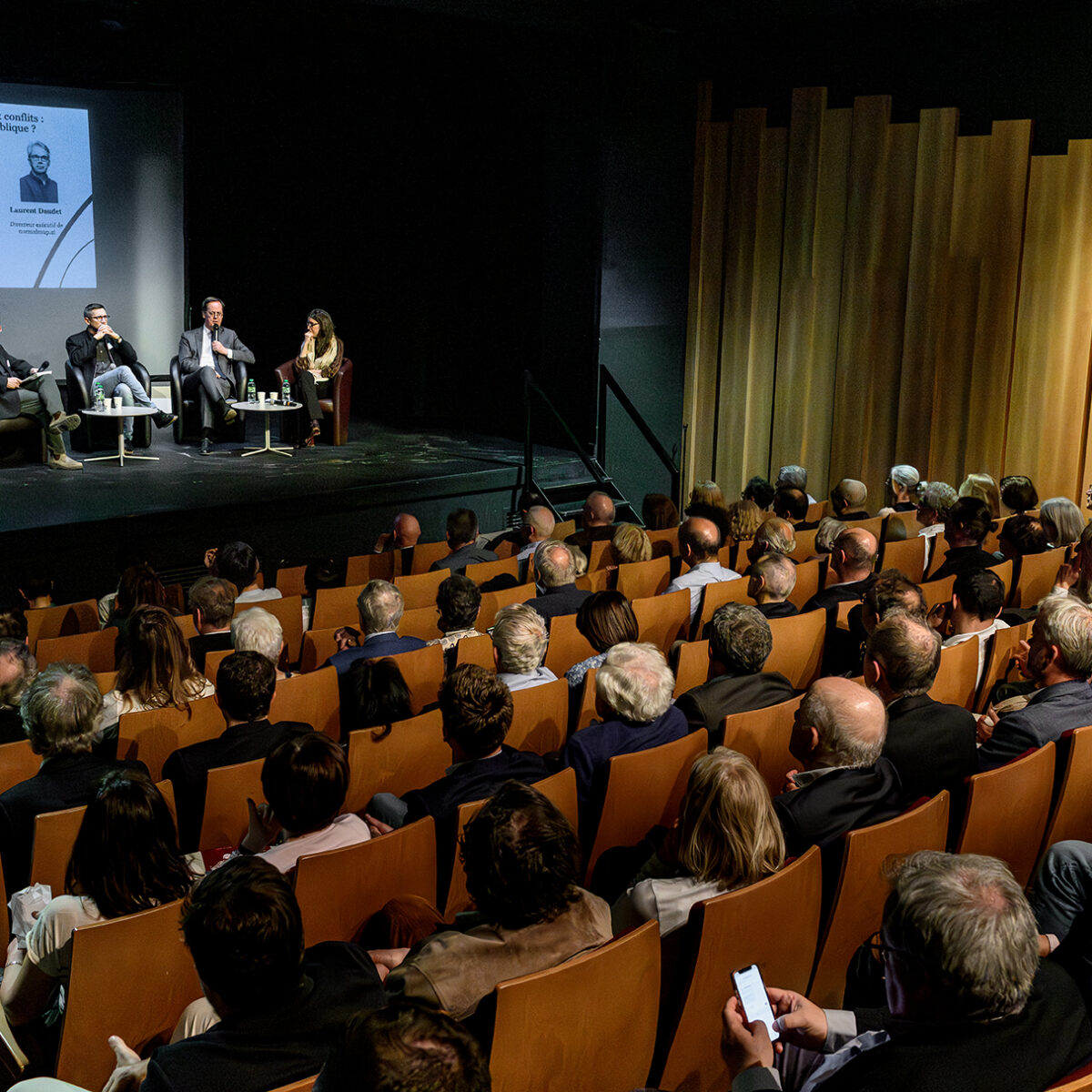
On April 9, 2026, the Fondation de l’École normale supérieure hosted its annual donor evening, attended by Stéphane Israël, President of the Foundation, and Frédéric Worms, Director of ENS-PSL.
Following a review of 2025 achievements and a look ahead to 2026, presented by Caroline Guény-Mentré, the evening shifted to a more strategic focus with a segment dedicated to artificial intelligence.
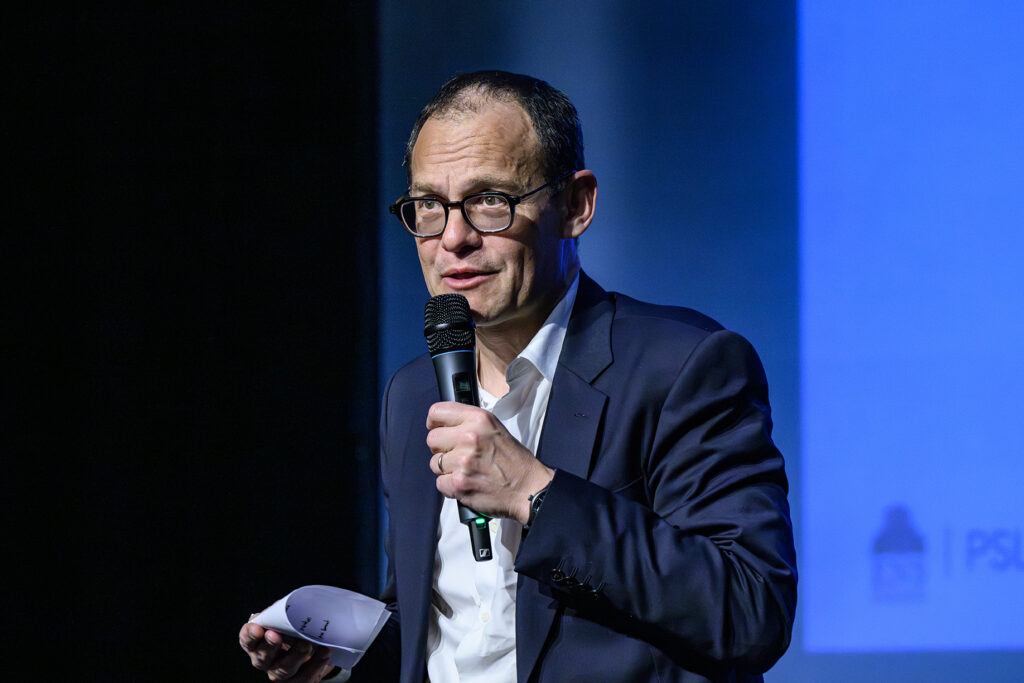
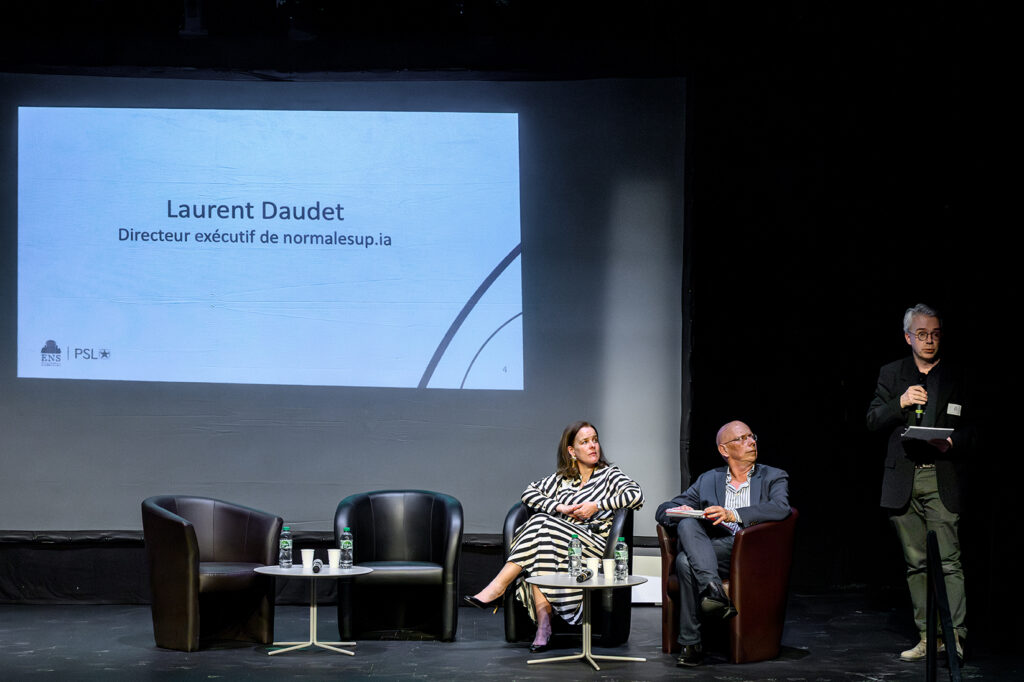
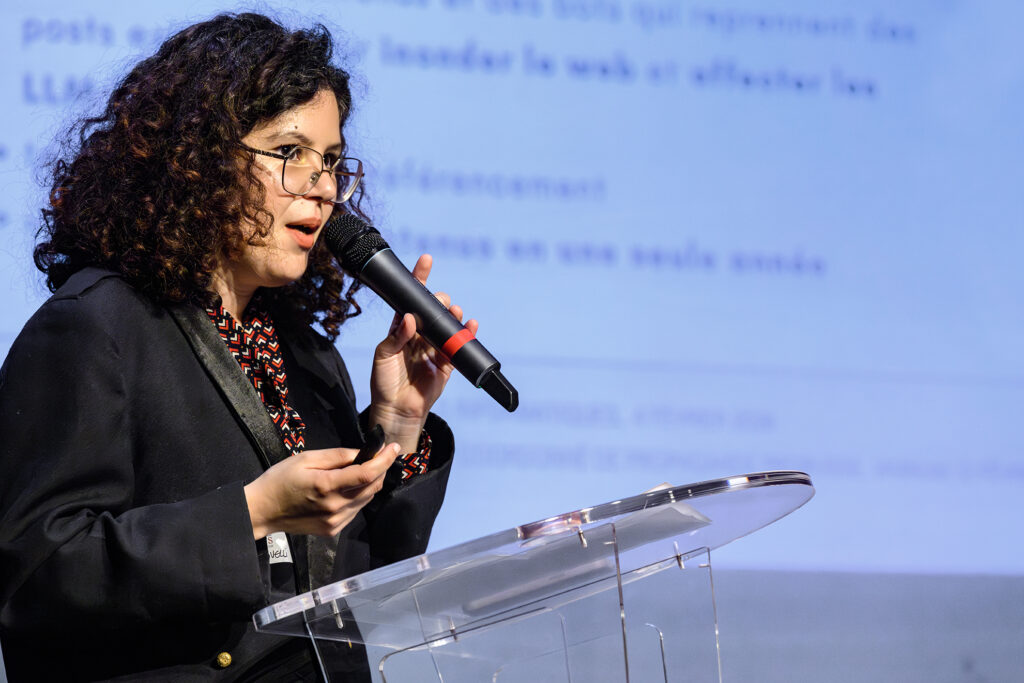
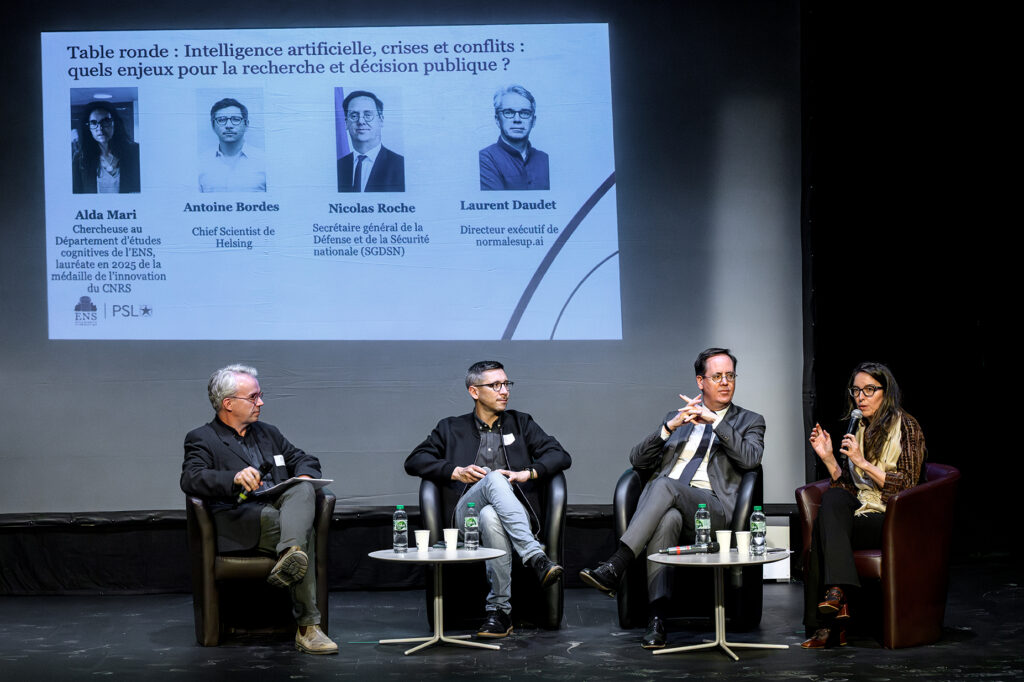
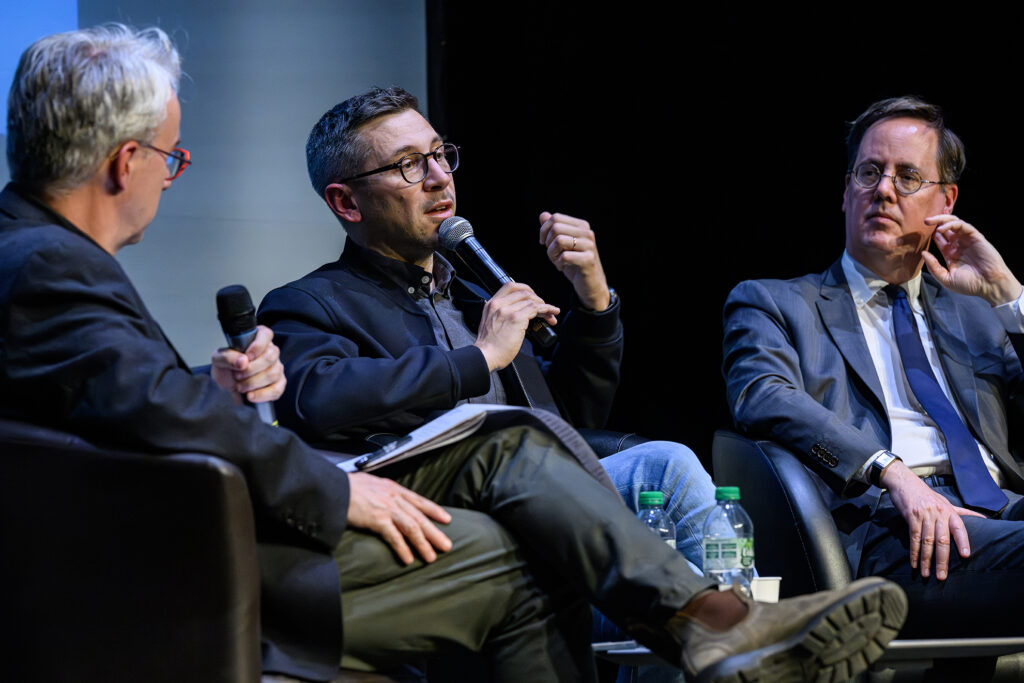
At the center of the program was a panel discussion titled “Artificial Intelligence, Crises, and Conflict: What’s at Stake for Research and Public Decision-Making?” It brought together Alda Mari, a researcher in the Department of Cognitive Studies at ENS and recipient of the 2025 CNRS Innovation Medal; Antoine Bordes, Chief Scientist at Helsing; and Nicolas Roche, Secretary General for Defense and National Security. The discussion was moderated by Laurent Daudet, Executive Director of normalesup.ai.The panel examined how AI is transforming strategic and decision-making environments. Earlier in the evening, Elsa Novelli, a postdoctoral researcher at CIENS, delivered an introductory scientific talk on “noise strategies” in the age of AI and their role in cognitive warfare.
AI and the Changing Nature of Conflict
© Géraldine Bruneel
Speakers highlighted the rapid evolution of conflict, driven by the integration of AI into operations: large-scale data processing, faster decision cycles, and the rise of autonomous and robotic systems. These developments closely align with research conducted at ENS, where scholars investigate the mathematical, computational, and cognitive foundations of these technologies, along with their strategic implications.
These shifts are redefining the balance between offense and defense while introducing new vulnerabilities, particularly in cyber and information domains. The discussion also emphasized the rise of hybrid threats, combining information manipulation, low-cost cyberattacks, and growing dependence on digital infrastructure—factors that complicate state responses.
In this context, ENS research plays a key role in advancing understanding of these dynamics by integrating scientific inquiry, ethical reflection, and geopolitical analysis. The ability to control data, design resilient systems, and balance technological autonomy with human oversight emerged as a central challenge—one that sits at the core of the research initiatives supported by the Foundation.
© Géraldine Bruneel
Connecting Knowledge to Action

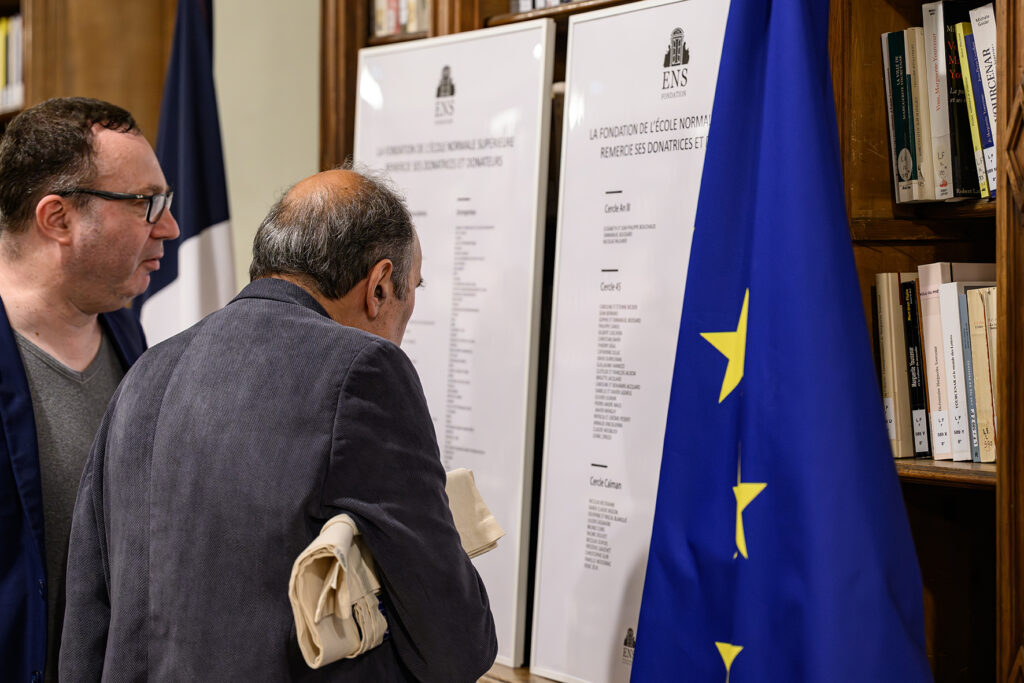

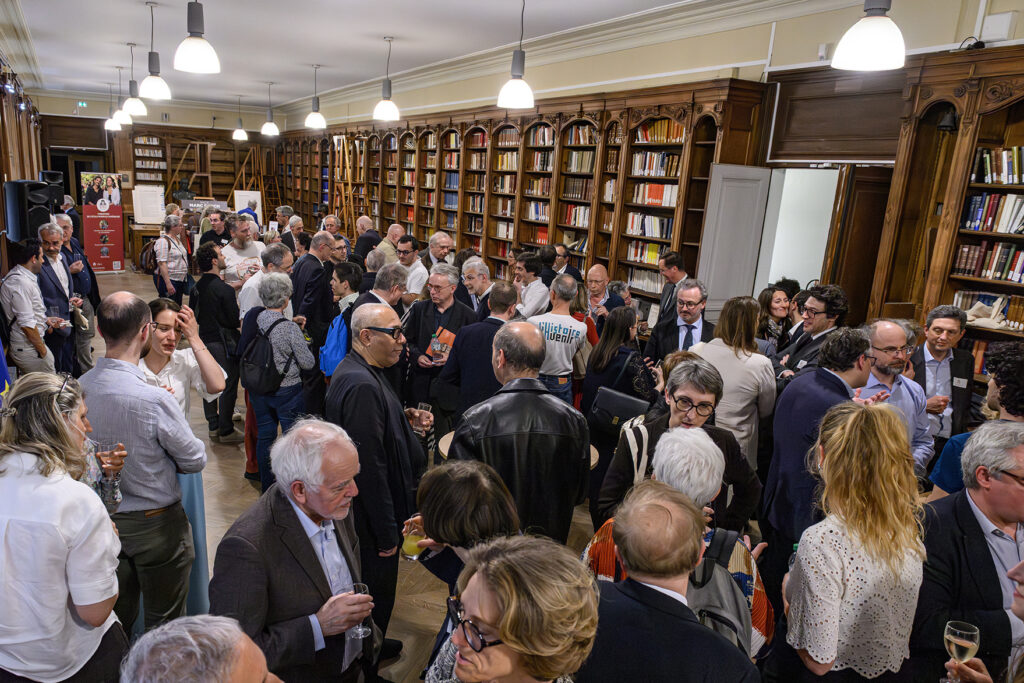
By bringing together researchers, policymakers, and industry leaders, the evening demonstrated what sets ENS and its Foundation apart: fostering rigorous dialogue across disciplines and between academic and operational worlds.
The ENS Foundation extends its sincere thanks to all its donors for their presence and continued commitment. Their support not only drives cutting-edge research but also makes possible the kind of critical dialogue needed to better understand and anticipate the transformations shaping today’s world.